MPG, MPGe and range: what the numbers really mean when comparing cars
How to compare a petrol, hybrid and electric car on running cost without being misled by MPG, MPGe and range figures. Plain-English definitions and a simple cost-per-mile method.
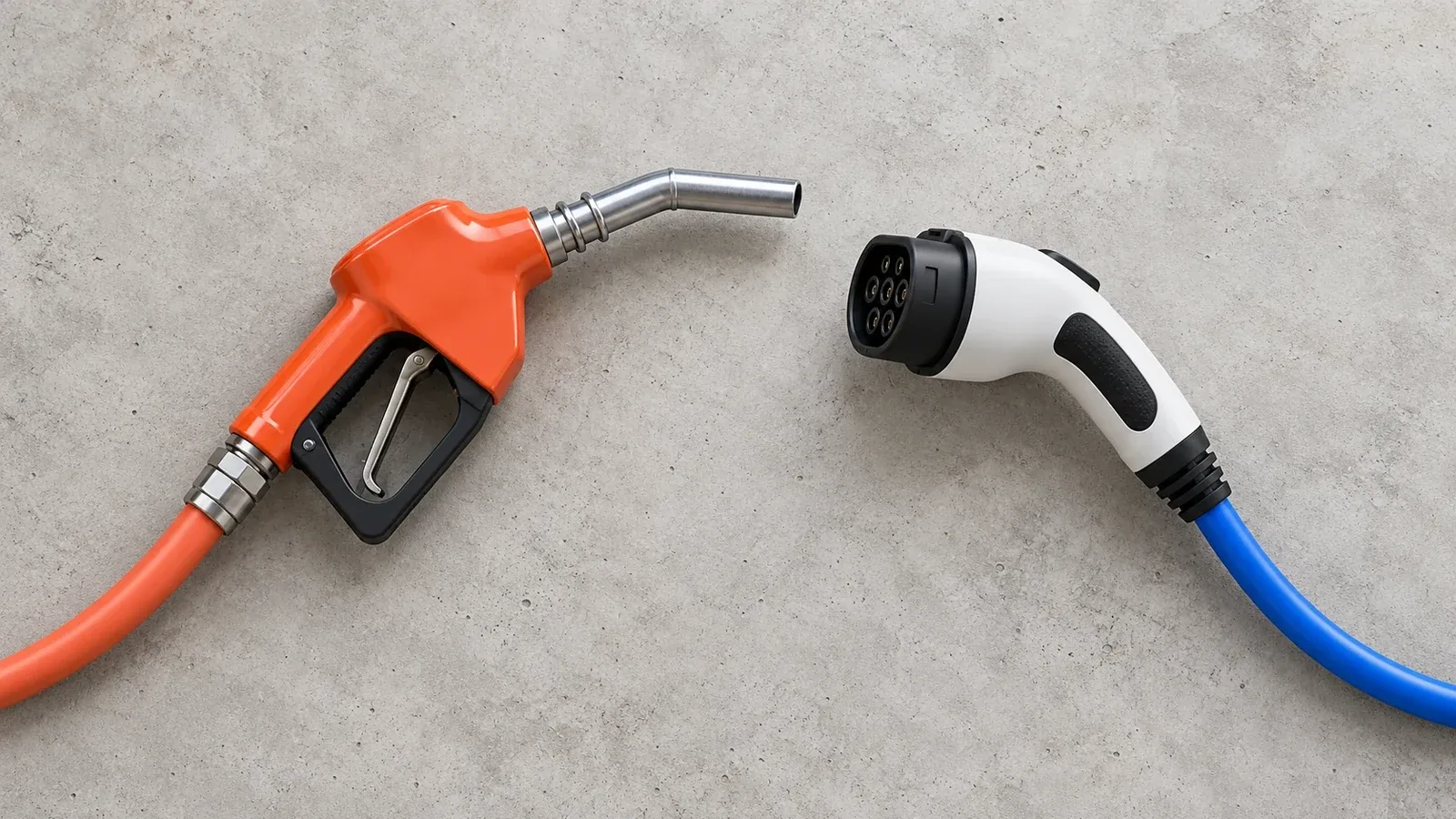
Car comparisons now cross powertrains. A hybrid sedan is compared with an electric crossover, a petrol SUV with a plug-in. The spec sheets use three different economy measures, MPG, MPGe and range, and they are not interchangeable. This guide explains each one and gives a two-minute method for comparing running cost directly. It is the approach behind every matchup in our car comparison hub.
MPG: miles per gallon
MPG is the familiar one: how far a petrol or hybrid car travels on one US gallon of fuel. The combined figure blends city and highway testing. Higher is better, but the scale is not linear. Going from 20 to 30 MPG saves far more fuel than going from 40 to 50 MPG over the same distance, because fuel use is gallons per mile, not miles per gallon. A 51 MPG hybrid such as the one in the toyota camry vs honda accord comparison uses roughly 37 percent less fuel than a 32 MPG rival over a year, not 60 percent.
MPGe: miles per gallon equivalent
MPGe is a regulator's way of putting electric cars on the same chart. One gallon of petrol holds about 33.7 kWh of energy, so an EV that travels 120 miles on 33.7 kWh is rated at 120 MPGe. It is useful for comparing one EV with another, and it tells you an EV converts energy roughly three to four times more efficiently than a petrol car. What it does not tell you is cost, because electricity and petrol are priced very differently per unit of energy.
Range: how far on a full tank or charge
Range is the number buyers feel most strongly about, and it is the one most affected by conditions. EPA range for an EV is a combined-cycle estimate; motorway speeds, cold weather and roof boxes can cut it by 20 to 30 percent. Petrol range is rarely published, but it is simply tank size multiplied by combined MPG, which is why we list it on every petrol car in the database. Most petrol cars manage 400 to 600 miles per tank; most EVs manage 250 to 360 miles per charge.
The method: cost per 100 miles
To compare a petrol car with an EV on money rather than physics, convert both to cost per 100 miles using your local prices.
- Petrol or hybrid: 100 divided by combined MPG gives gallons per 100 miles. Multiply by your fuel price. A 32 MPG car at $3.50 per gallon costs about $10.90 per 100 miles.
- Electric: 3,370 divided by MPGe gives kWh per 100 miles. Multiply by your electricity price. A 125 MPGe car at $0.16 per kWh costs about $4.30 per 100 miles at home, or around $11 at a fast charger priced at $0.40 per kWh.
Run both numbers for the way you actually charge. An EV charged at home is dramatically cheaper to run; an EV charged only at public fast chargers can cost as much per mile as a hybrid. The toyota rav4 vs tesla model y comparison is where this calculation matters most, because the sticker prices are far apart and the running costs can be either far apart or nearly equal depending on charging.
Three things the numbers never show
- Incentives. Tax credits and registration discounts for EVs change by country and year and can swing a comparison by thousands.
- Depreciation. The largest cost of owning any newer car. Reliability reputations and battery warranty length feed into it.
- Time. A five-minute fuel stop versus a 25-minute fast charge matters on road trips and not at all for daily commuting with home charging.
Use the economy figures to shortlist, then run the cost-per-100-miles sum with your own prices. It takes two minutes and it is the only version of the comparison that reflects your garage rather than a government test track.