Smartwatches comparisons
A smartwatch is only as good as the phone it pairs with and the battery it carries. We compare case size, display, rated battery life, water resistance, ECG and health sensors, GPS, weight, platform compatibility and launch price across the best-selling watches from Apple, Samsung, Google and Garmin.
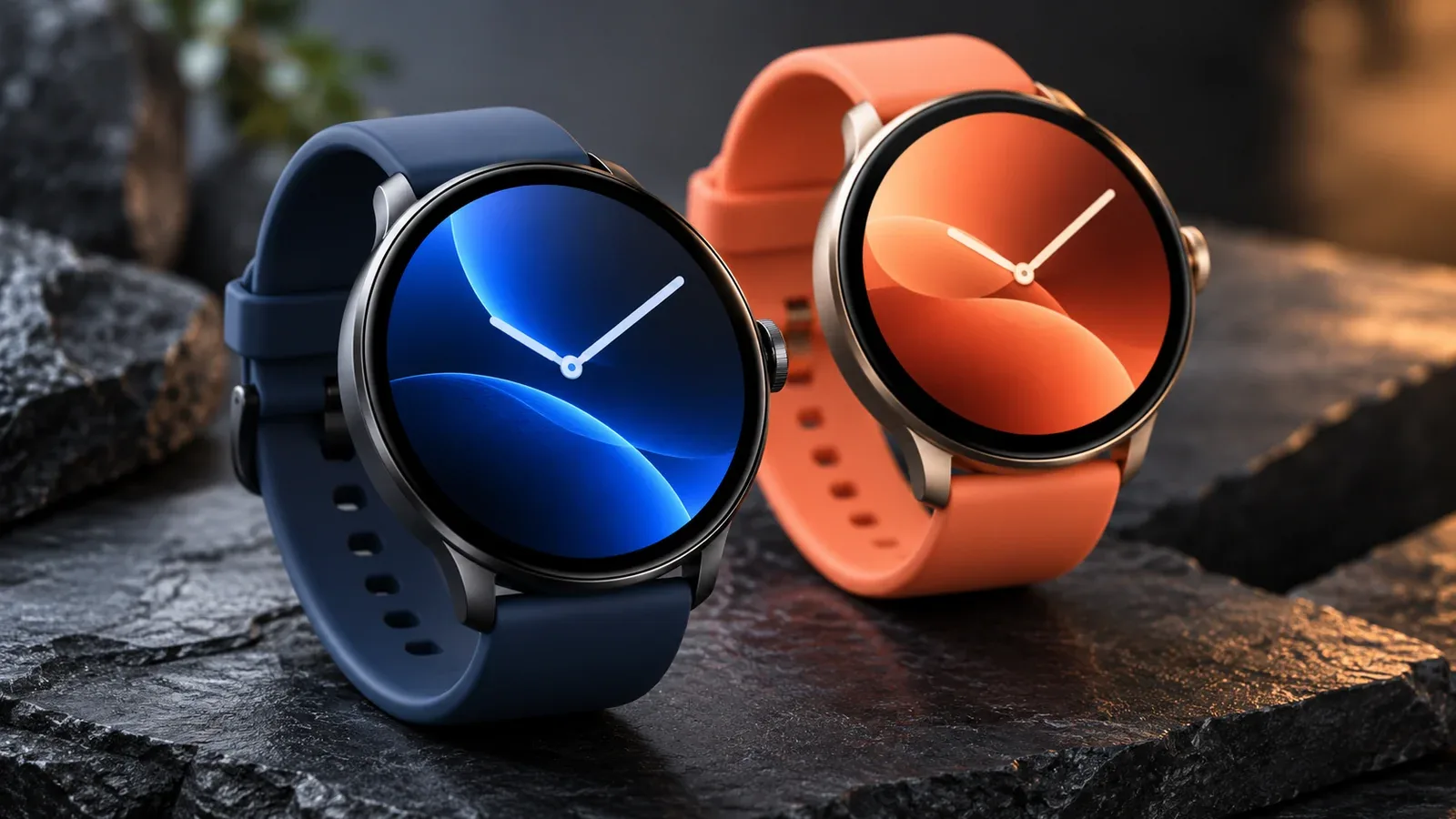
Popular smartwatch comparisons
Smartwatches in our database, ranked by VersusAnything Score
- Samsung Galaxy Watch 762/100The Galaxy Watch 7 runs Wear OS with Samsung's BioActive sensor, adds an energy score and dual-frequency GPS, and offers sleep apnoea detection.
- Samsung Galaxy Watch Ultra56/100The Galaxy Watch Ultra is Samsung's titanium outdoor watch with a 3000-nit display, 10 ATM water rating and up to 100 hours of battery in power saving.
- Apple Watch SE (2nd generation)54/100The Apple Watch SE is the budget Apple Watch, keeping core fitness, crash detection and notifications while skipping ECG and the always-on display.
- Google Pixel Watch 353/100The Pixel Watch 3 adds a larger 45 mm size, a brighter display, Fitbit running coaching and loss-of-pulse detection on top of Wear OS.
- Garmin Venu 350/100The Garmin Venu 3 is a lifestyle fitness watch with up to 14 days of battery, an ECG app, nap detection and Garmin's deep training metrics.
- Apple Watch Ultra 240/100The Apple Watch Ultra 2 is the rugged flagship with a titanium case, 36-hour battery, 100 m water rating and the brightest Apple Watch display.
- Apple Watch Series 1034/100The Apple Watch Series 10 is the thinnest Apple Watch with the largest display yet, adding sleep apnoea notifications and faster charging.
Compare any two smartwatches
Pick two products from this category; if we have a published comparison it opens directly, otherwise the comparison tool loads both spec sheets.
How we score smartwatches
Every smartwatch is scored on the same rows: case size, display, weight (case only), water resistance, ECG app, key health sensors, GPS, rated battery life, works with, launch price (USD). Measurable rows are normalised across the category and weighted (Health 30%, Battery 25%, Design 15%, Value 30%); rows without a sensible direction are explained, not scored. Full rules on our how we score page.